The Deal Anatomy: Selling To Your Tenant
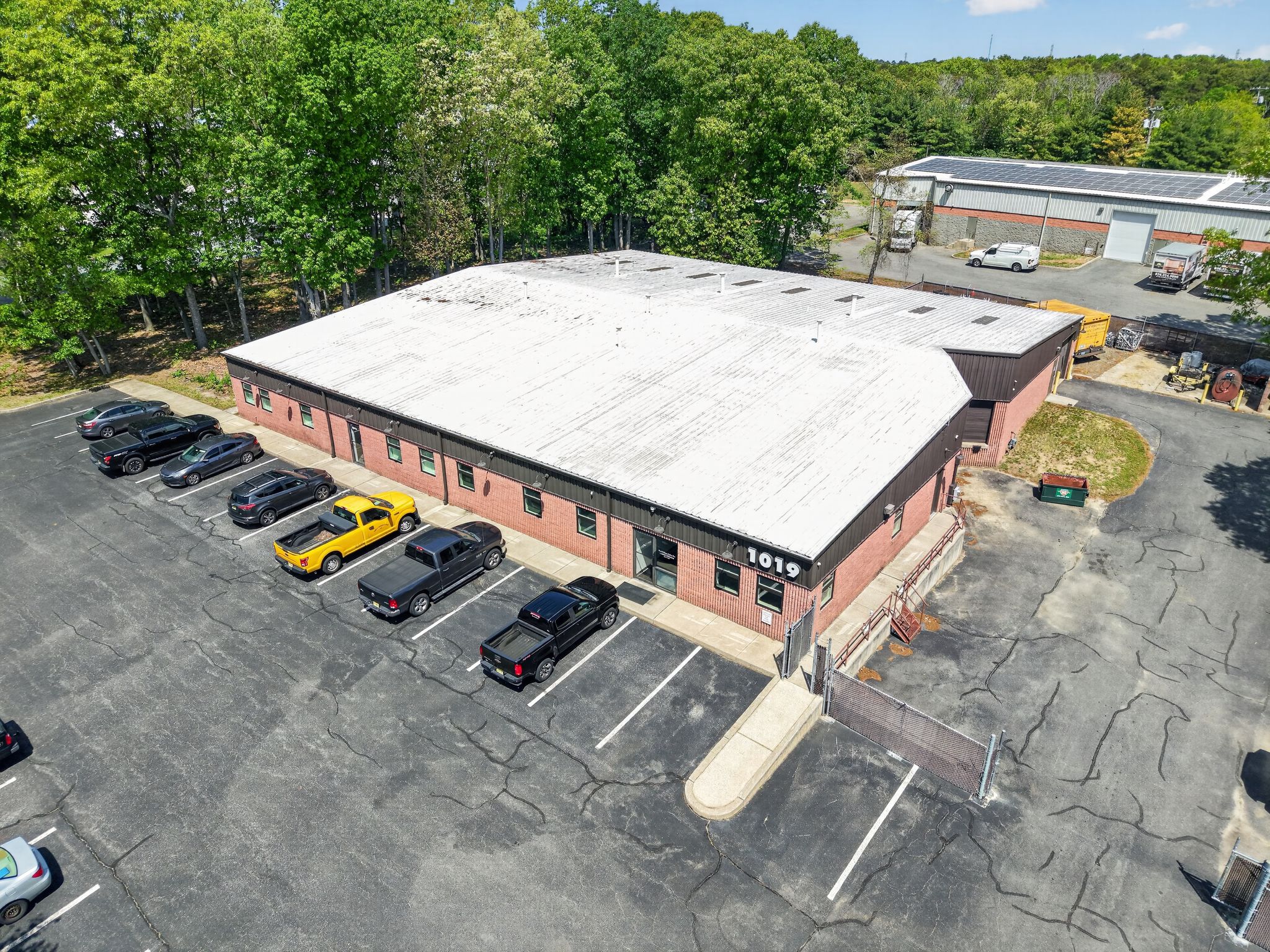
This month we closed on 1019 Industrial Dr, a single-tenant flex building. The buyer was the tenant. That was the outcome the seller wanted from the beginning, but it was far from a foredrawn conclusion.
The tenant used to be the owner's business. He built it, sold it to his employees years ago, and retained the real estate. So this wasn't an arm's-length arrangement between strangers. It was the last piece of a company he'd spent a career building, still occupied by the people he sold it to.
When he hired us, the instruction was clear. Price mattered — it always does — but he wanted a concerted effort to sell the building to his tenants. He wanted to see it go to them.
Sounds like it should be easy. In practice, it’s not so simple.
We met with the tenants several times while we were preparing the listing. The early conversations were combative. They had no interest in owning. In fairness, they had no interest in having the conversation at all. From where they sat, nothing was broken: a building they knew, a landlord they knew, and rent they'd been paying without incident for years. And we basically embodied change and disruption in their minds.
We didn't push them to buy. We told them what was true. The owner intended to sell. Once it sold, they would be tenants of somebody they'd never met, subject to whatever that person wanted to do — which very likely meant a rent increase at renewal. Ownership was one option. It wasn't the only one. But the status quo likely would not continue post sale.
That didn't move them. Nothing we said was going to move them. We figured the only thing that would really move them would be the market.
Even before going to market, we had multiple buyers from our network tour the property. The dynamic changes when you start seeing real bidders pace through and take a keen interest in the site. We received two offers at the full ask — the first from a 1031 buyer, the second from another owner-occupier who wanted the space for his own operation.
Now it was no longer just talk. The tenants could see what was happening. The sale was real. It was going to happen. And the next owner was going to be a new, arms length relationship.
Shortly thereafter we received a full-ask offer from the tenant.
Once we struck a deal with the tenant, the owner asked us to keep it off market in good faith, and we did. No sign, no marketing, no OM. The building traded at full ask to the party that had told us, at least initially, that it had no interest in owning it.
From the moment we struck the deal, this was one of the smoothest transactions I've ever done. Diligence moved fast — the buyer had occupied the building for years and knew every corner. We closed about a month ahead of schedule, which we think the tenant drove, as they had locked in a good interest rate and had no interest in testing it.
Two things I'd take from this one.
The first is that your existing tenant can be a great buyer, but has their own unique barriers they need to overcome to really become a contender in the sale. They know the asset better than anyone in your pipeline. They have no relocation cost, no downtime, no build-out risk, no search. They're already underwriting the building every month, they’re just paying rent instead of a mortgage.
The second is the harder one. Nobody steps up because you explained the logic to them. People move when they can lose. This tenant didn't buy because we made a compelling case for ownership. We made that case several times and it went nowhere. They bought because two other parties toured the building and put full-ask offers on the table, and they understood that the next conversation about their rent was going to happen with somebody else.
Urgency isn't something you talk a buyer into. It's a condition you create by bringing real action.