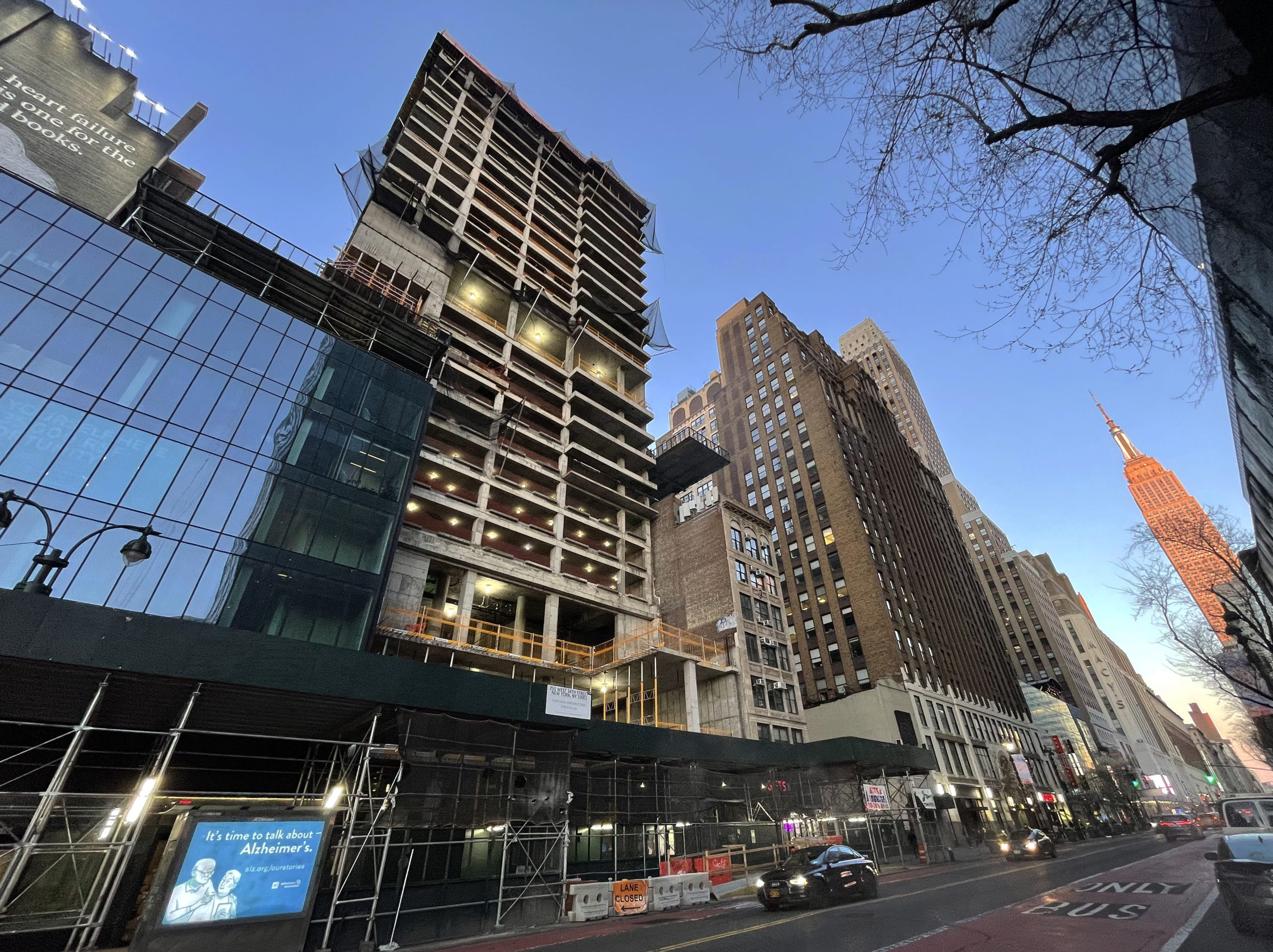
A Billion Dollar Portfolio Gone
Depositions from one of New York’s best-known family real estate operations went public last week, and the testimony is a portfolio construction seminar in reverse. A portfolio valued near a billion dollars less than four years ago is now described as deeply negative. Inside: major lessons to take away, and how just a fraction of the overall portfolio to eviscerating 35 years of work and hundreds of millions of dollars of equity.
Continue readingWho Can Develop When Nobody Can Develop
Straightforward ground-up small bay does not pencil right now — not against construction costs, and not against in-place product still trading below replacement. That is the honest starting point. But a hard market does not flatten every developer equally; it makes real advantages more pronounced, because there is no cap rate compression left to bail out a mediocre one. Inside: the three levers that actually decide whether a small bay development works — land carried at a permit-legacy basis, a credit facility standing in for a construction loan, and a lease-up edge that pulls stabilization forward — plus the point at which each one stops covering for the others.
Continue reading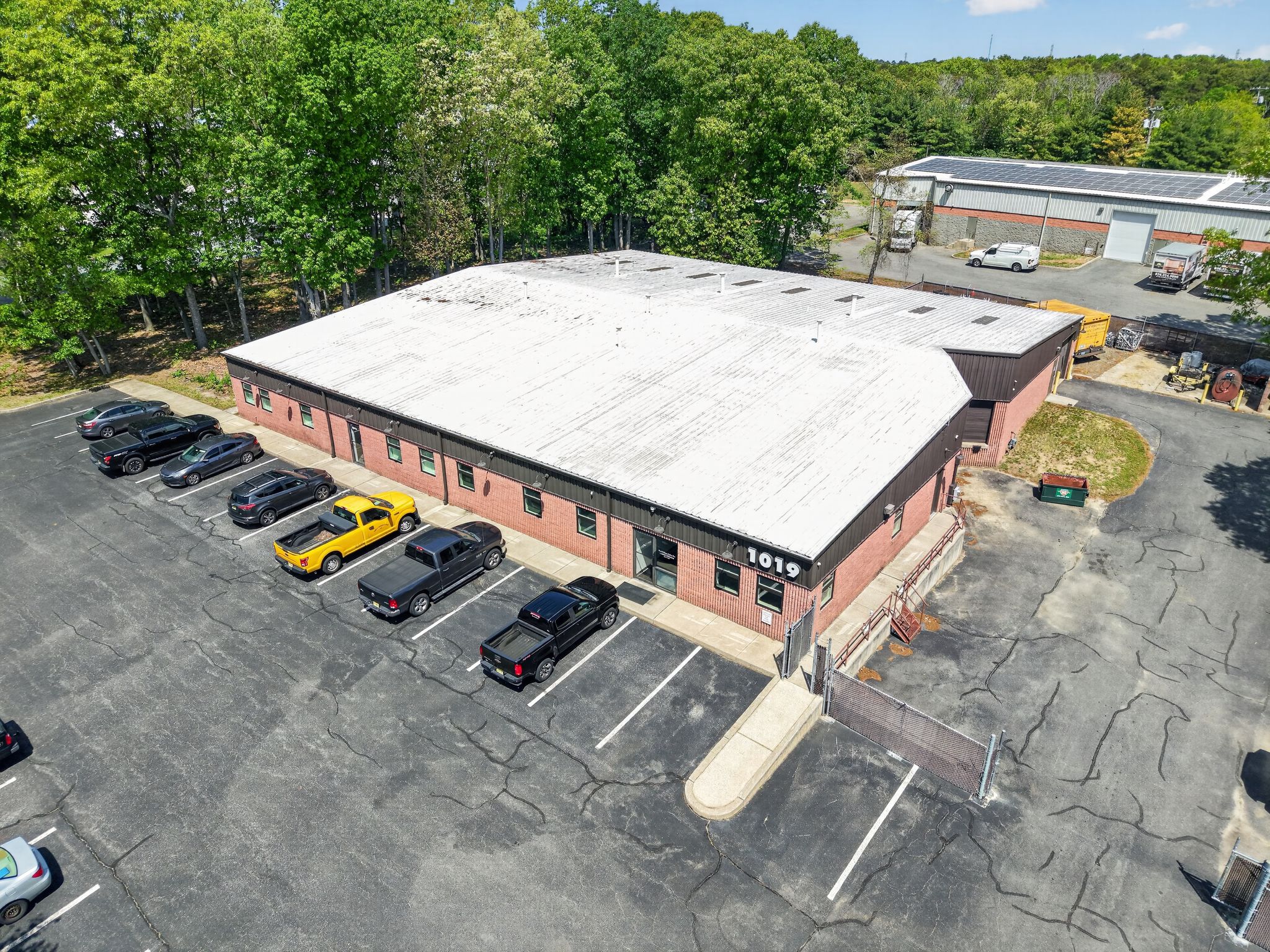
The Deal Anatomy: Selling To Your Tenant
The tenant is the most obvious buyer in the building and the hardest one to run a real process around. They know the roof, they know the rent roll, and they have usually decided what the building is worth long before you show up. They also tend to be most anchored to legacy prices, and have the most baked in set of inertia which makes change hard. Inside: how this one got to a market number instead of a friendly discount, what the tenant’s own financing timeline did to the closing, and the cases where selling to the occupant is genuinely the best execution rather than the path of least resistance.
Continue reading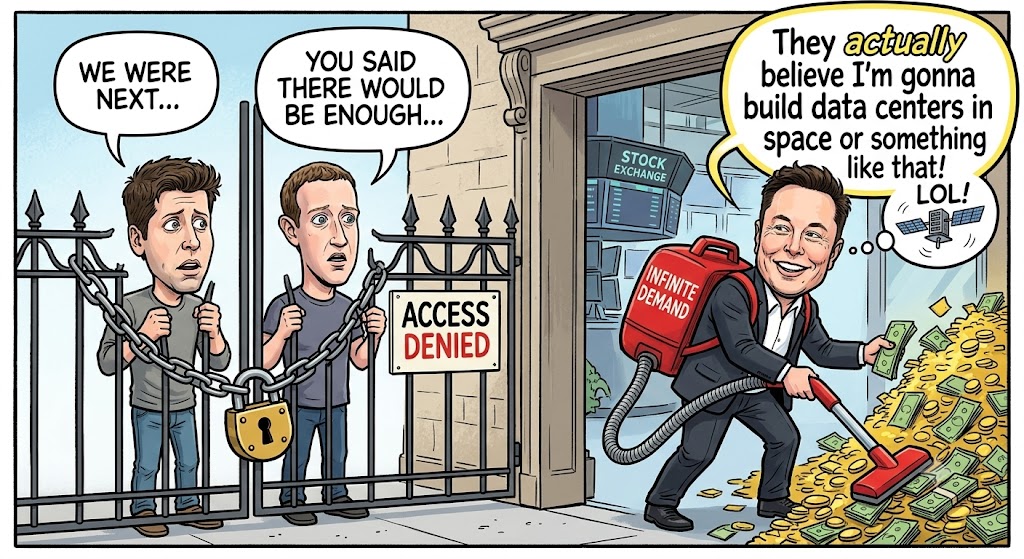
The Tangent - I Thought Musical Chairs Was for Real Estate
One enterprise customer accidentally ran up a $500 million AI bill in a single month — and that may be the closest thing to an unsubsidized check anyone has written. Inside: why the biggest names on earth are suddenly racing to go public, how a rocket company arrived at a $28.5 trillion addressable market, and who is actually left standing when the music stops.
Continue reading